
Sntach
Tech & Art Lead, Project Manager
Windows | Mac | Steam Deck
~5
~2.5 Years
Snatch
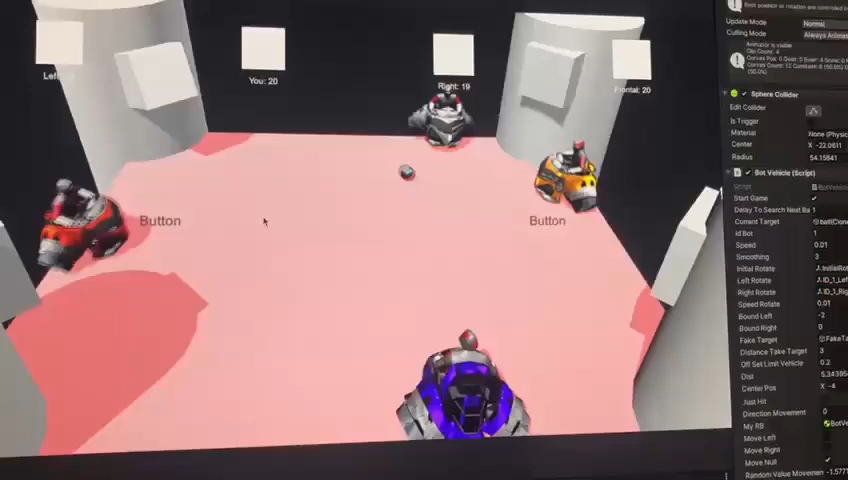
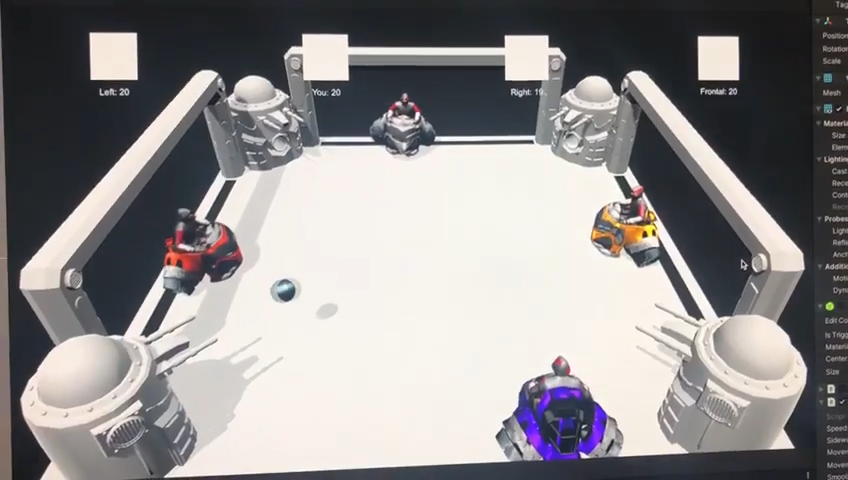
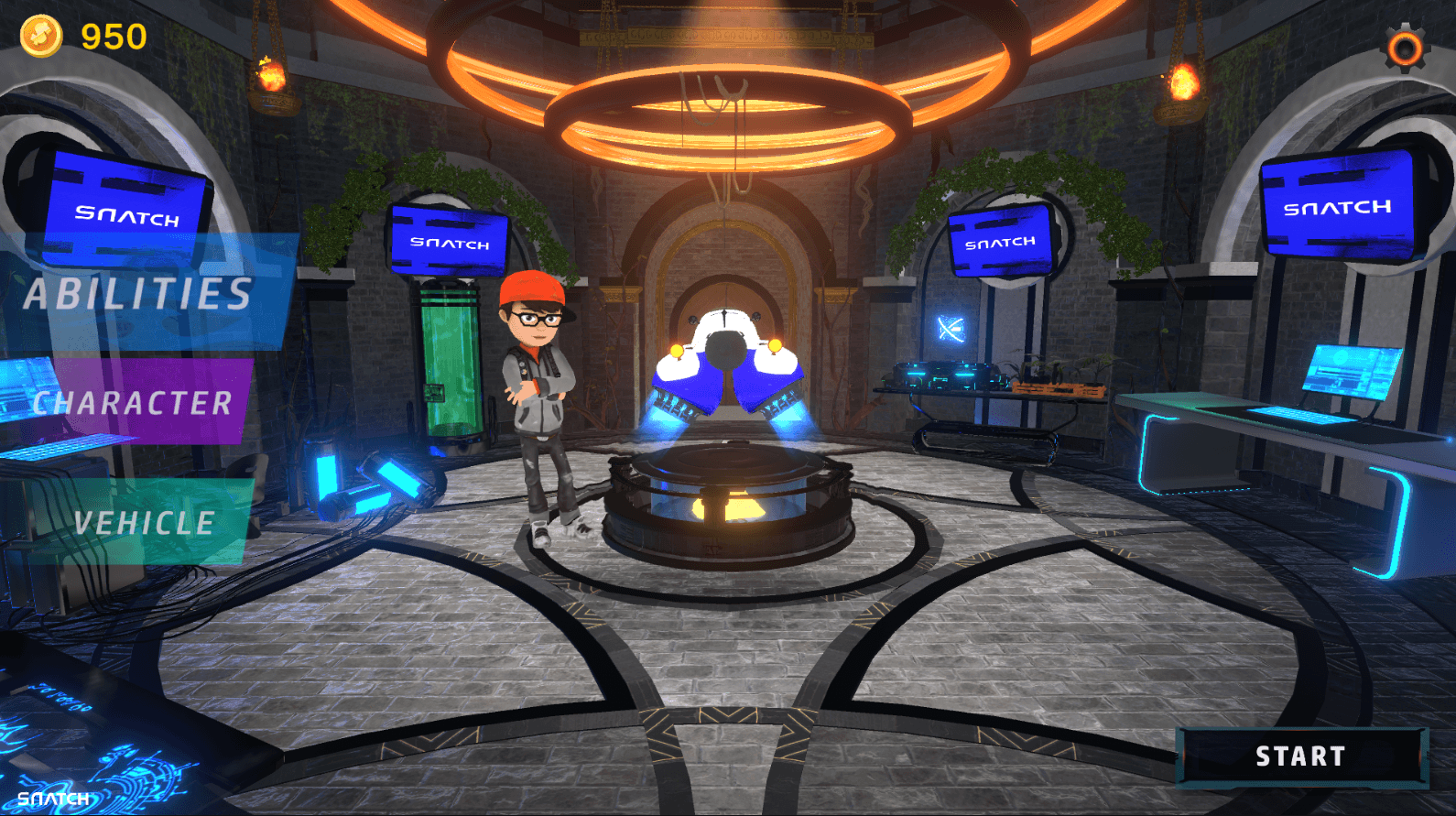
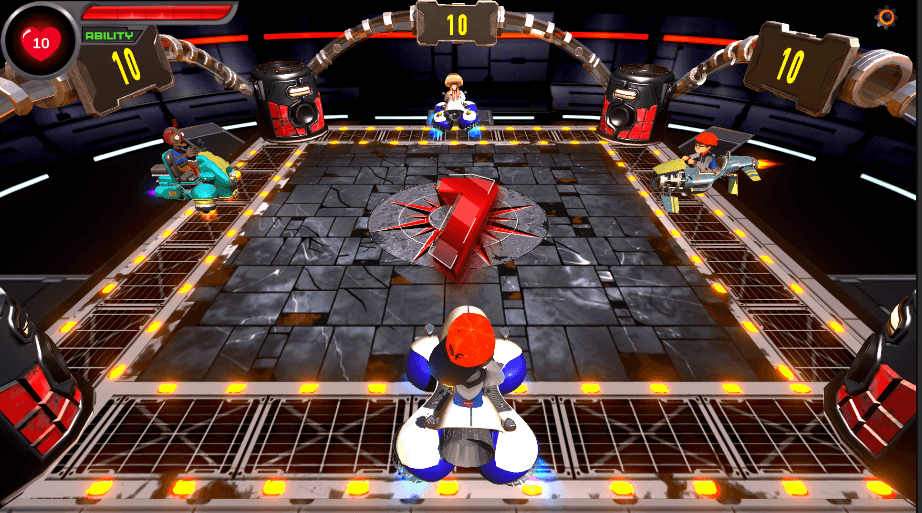
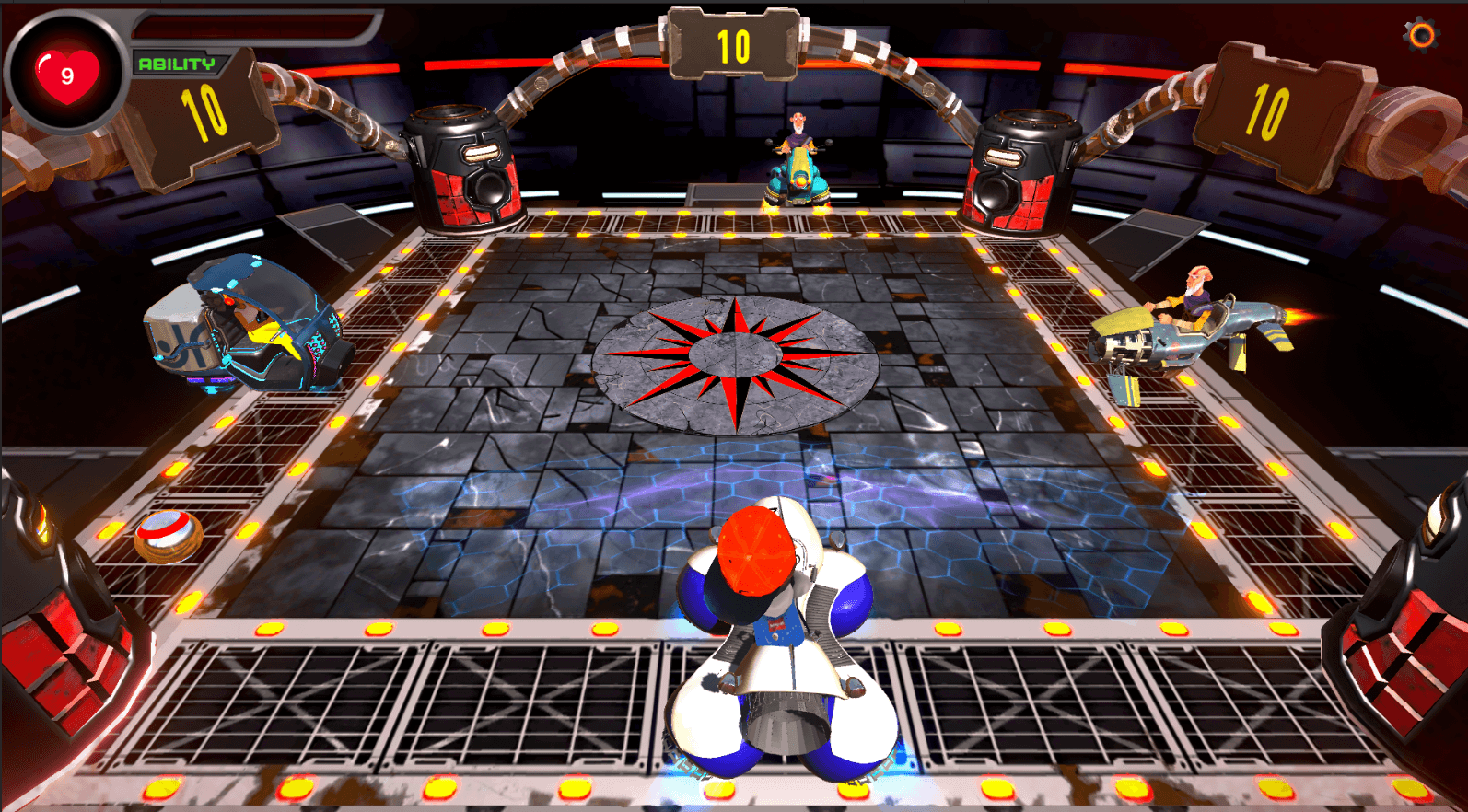
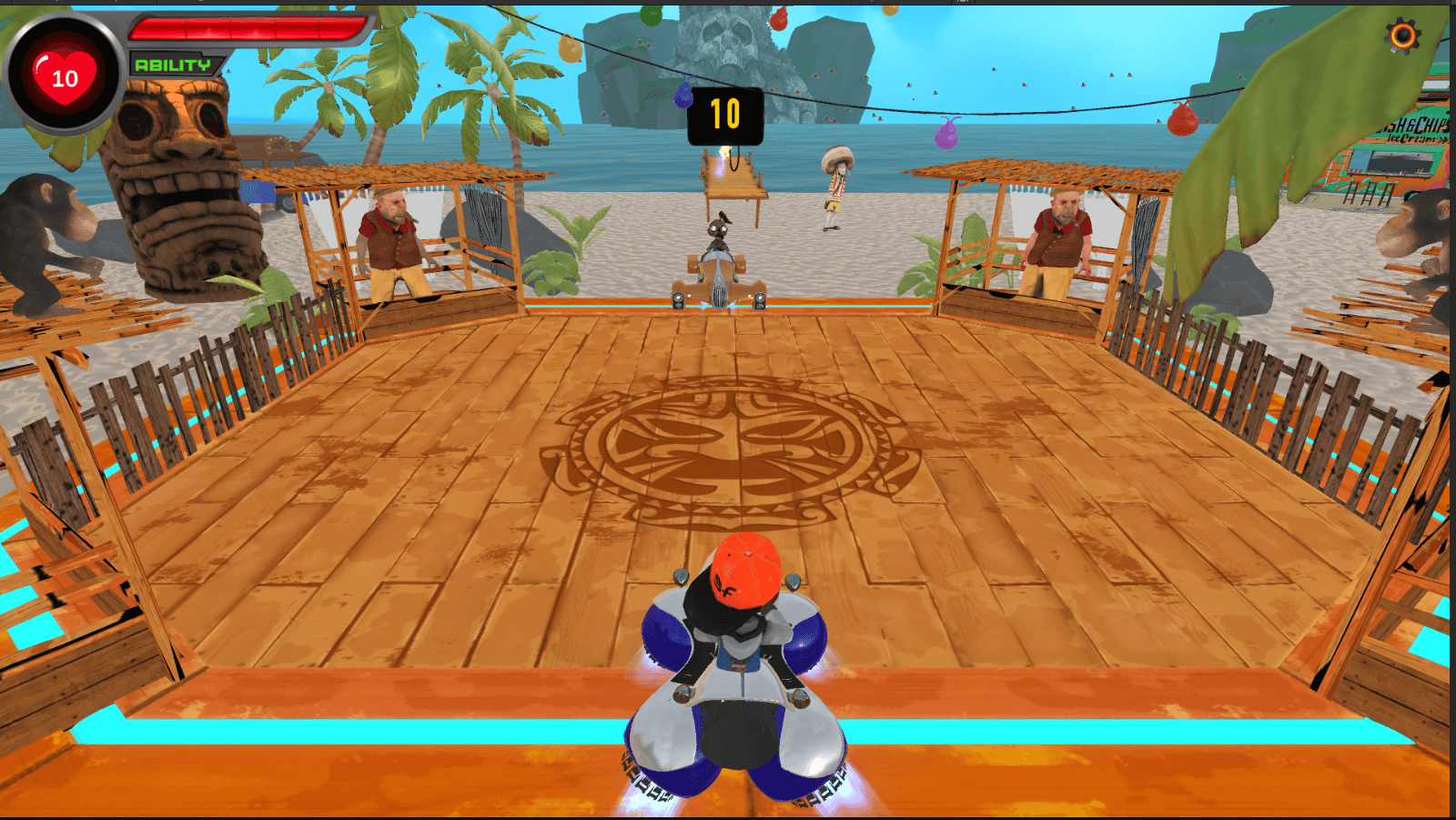
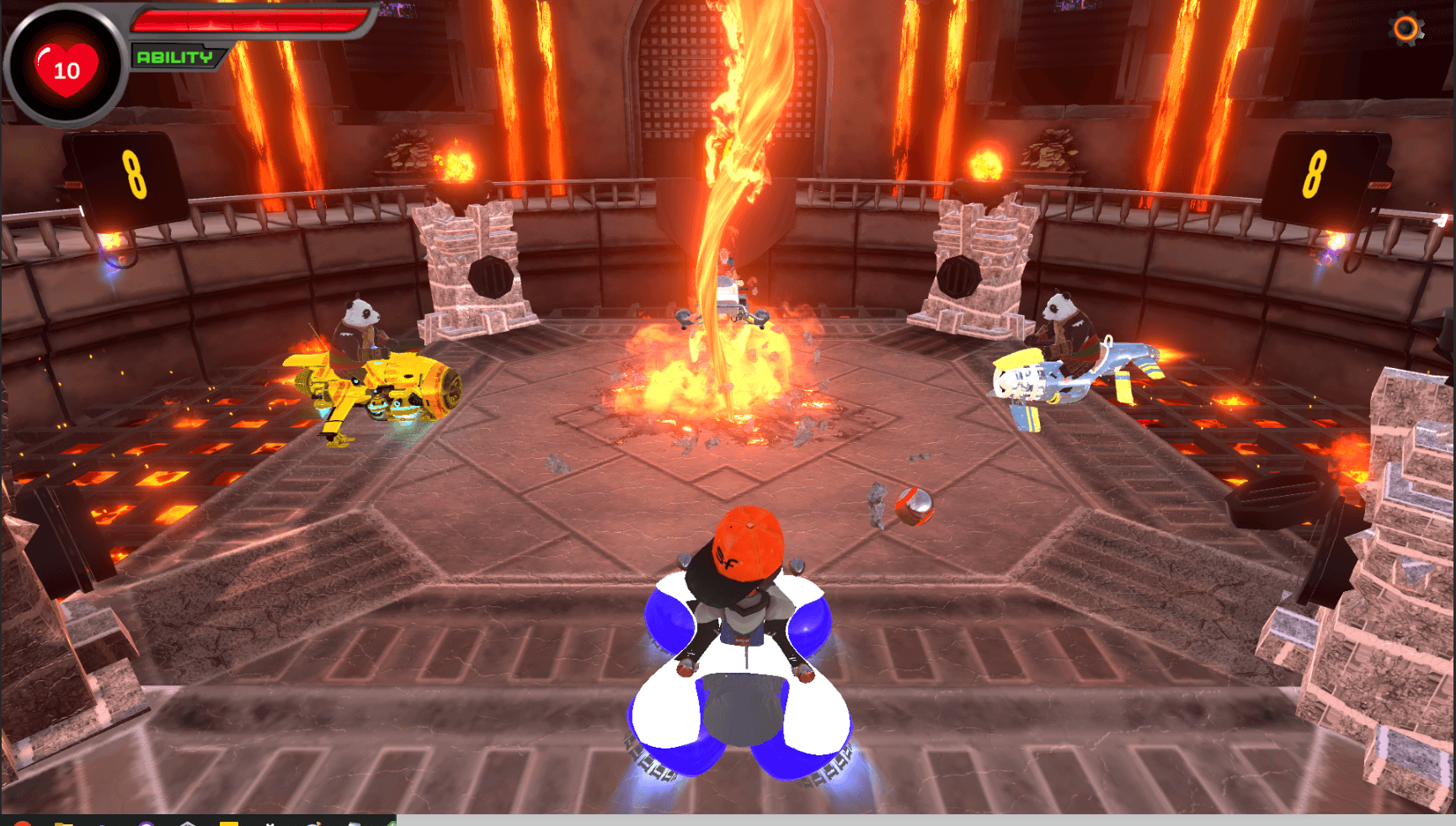
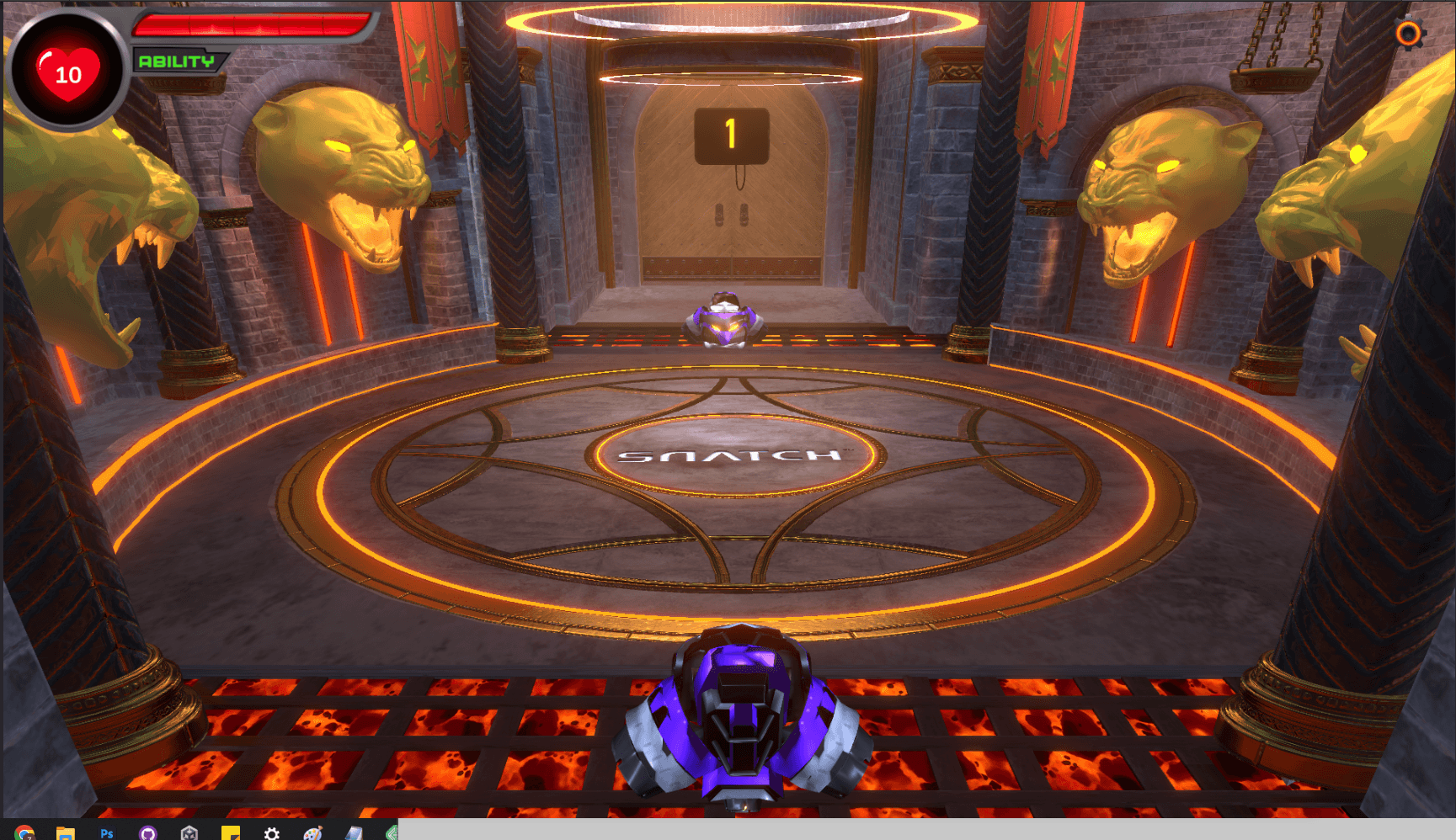
Snatch is a chaotic arcade twist on Pong focused on fast movement, abilities, high-speed ball combat, and intense AI encounters. This game was inspired by a child hood favourite called "Crash Bash".
Overview
I led development across gameplay programming, game design, AI systems, level design, optimization, and technical direction while mentoring a small team throughout production. A major focus of development became multiplayer R&D, specifically solving the challenge of synchronizing multiple high-speed balls in a competitive environment. While the current implementation never fully solved the issue, the process provided valuable experience in multiplayer architecture and networking principles.
Main Responsibilities:
• Gameplay Programming
• Game Design
• Multiplayer R&D
• AI Systems
• Level Design
• Optimization
• Team Mentoring
• Asset Integration
Technical Break Down
Contributions
• Mentored team members on architecture, optimization, and development workflows
• Helped structure systems in a more scalable and maintainable way
• Led key technical and gameplay decisions throughout development
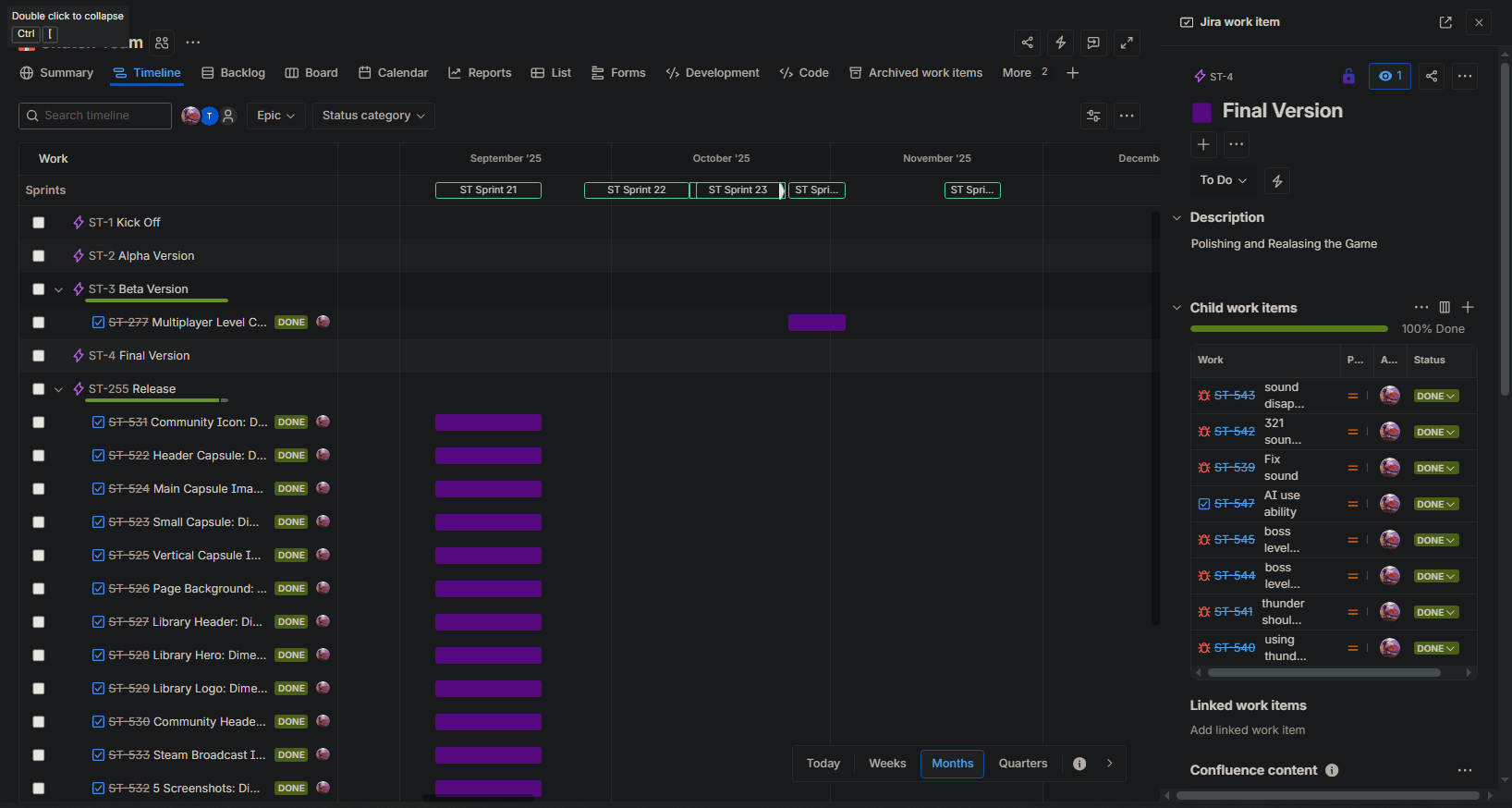
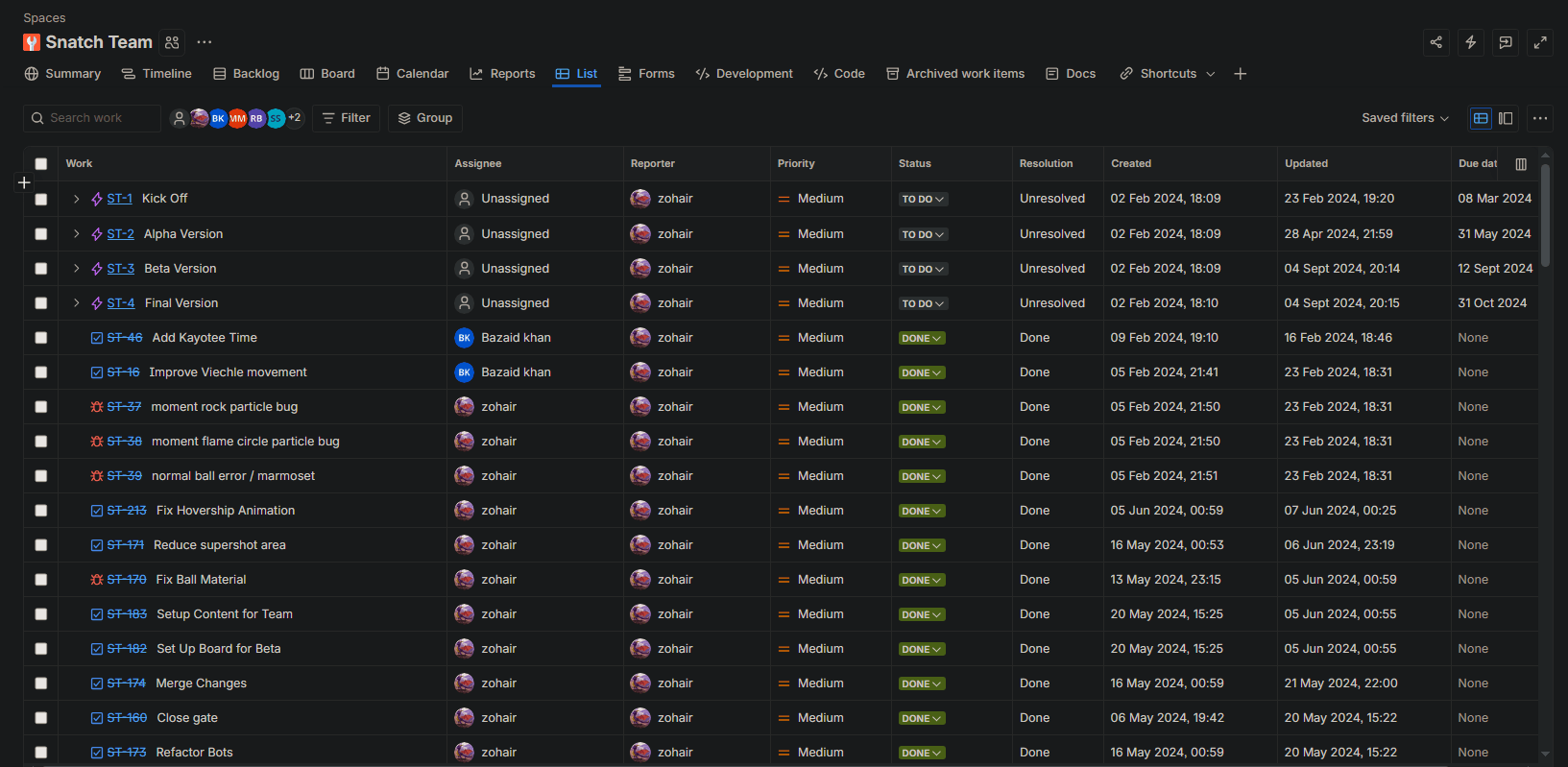
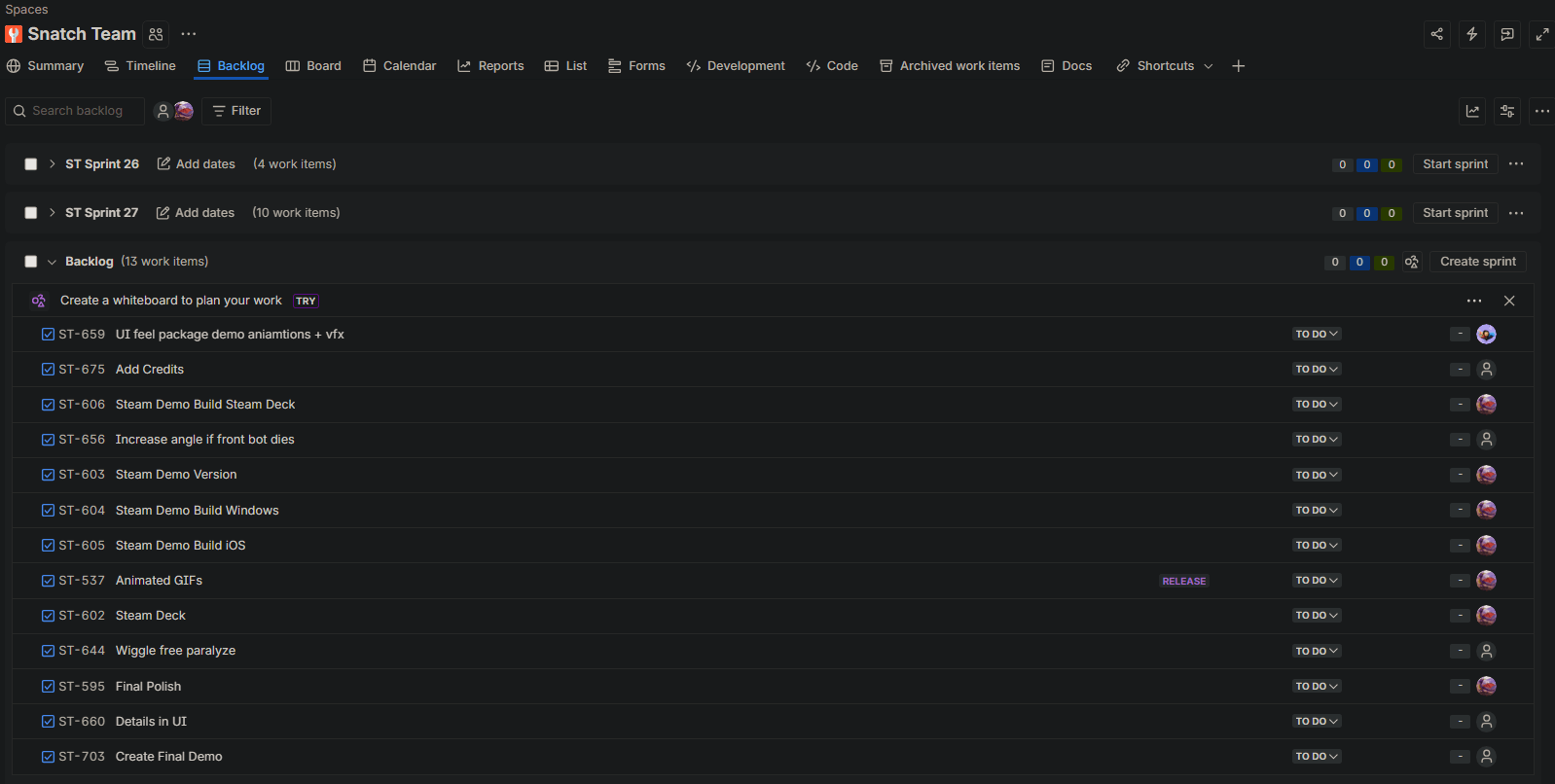
• Built the core gameplay systems and player interactions
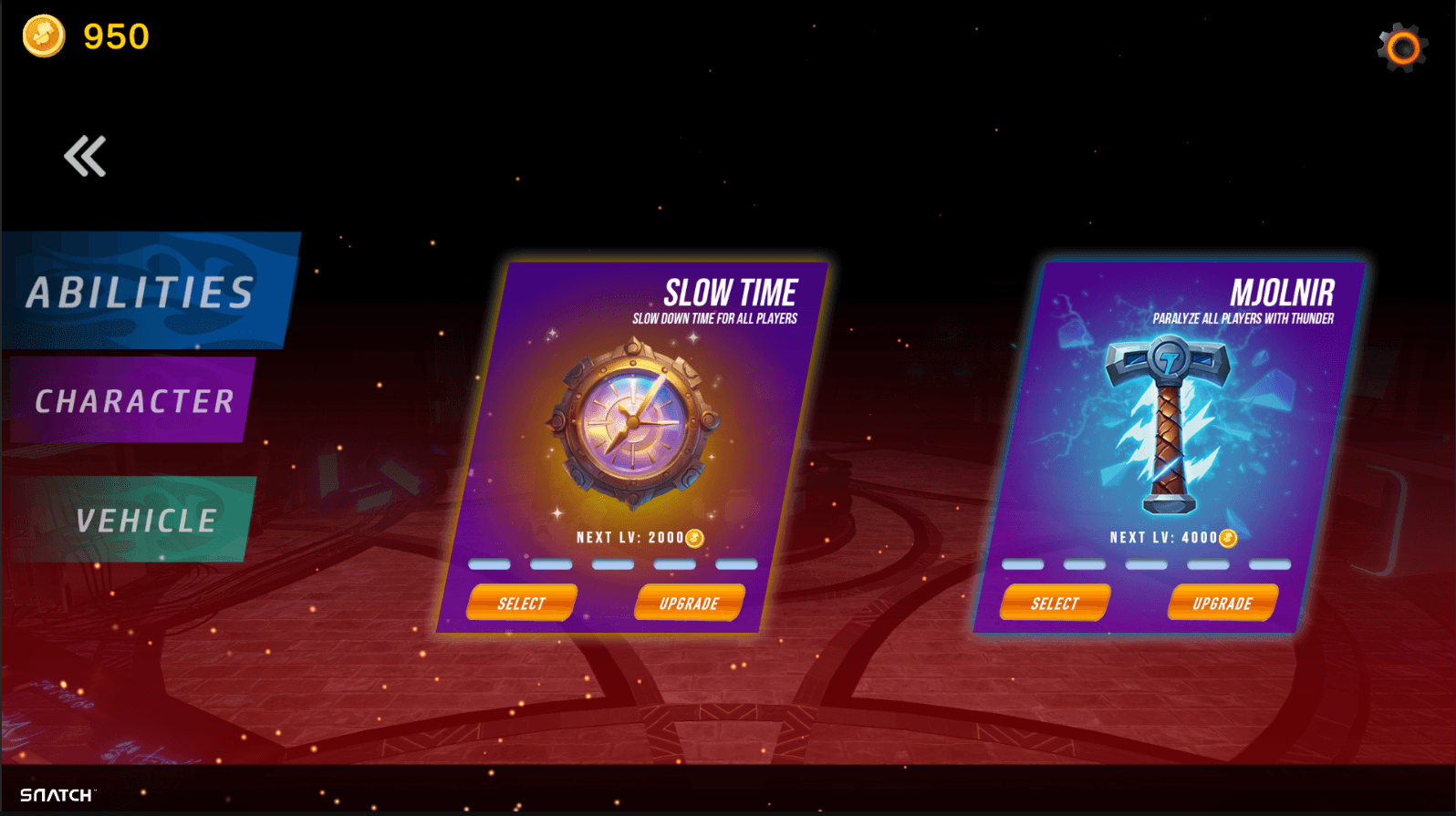
• Implemented high-speed ball mechanics and modular ability systems using the Strategy Pattern
• Developed obstacle systems using reusable architecture patterns for easier feature expansion
• Used object pooling for balls and audio systems to reduce runtime allocations and improve performance
• Implemented optimized async workflows with UniTask to minimize memory allocation overhead in gameplay systems
• Built finite state machine (FSM) systems for game states, AI behavior, and multiplayer flow management
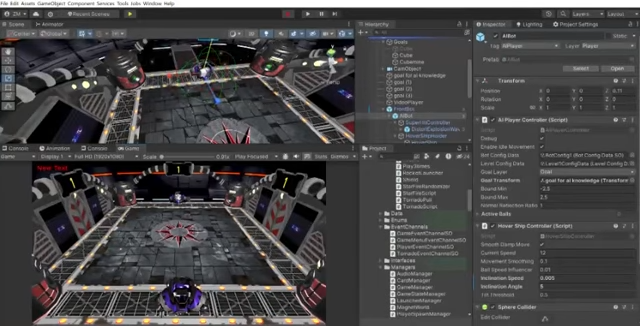
• Designed AI behavior systems to simulate more natural and human-like player interactions
• Reused and expanded scalable architecture patterns from previous projects to improve maintainability and speed up development
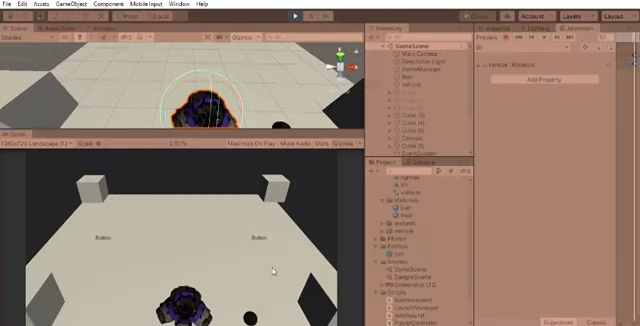
• The biggest technical challenge on the project was multiplayer synchronization
• Spent nearly a year experimenting with networking solutions to make synchronized high-speed ball gameplay work reliably
• Explored multiple networking technologies including UNet, Photon PUN, Bolt, and Mirror
• Identified major limitations caused by Unity’s non-deterministic physics engine, which made syncing multiple fast-moving balls across clients highly unreliable
• After extensive prototyping and testing, concluded that a more reliable solution would likely require deterministic simulation using technologies such as Photon Quantum
• Realized this would require rebuilding significant parts of the gameplay and physics architecture around deterministic networking principles
• Although the multiplayer version was eventually scoped out, the R&D process provided extensive experience with:
• Client vs Server Authority
• Server Reconciliation
• Latency Handling
• Deterministic Simulation
• Multiplayer Architecture Tradeoffs
• The experience fundamentally changed my approach to gameplay architecture and large-scale networking problems

Optimization & Performance:
• Handled optimization work across the project focusing on stability and responsiveness
• Implemented object pooling systems for gameplay objects and audio sources to reduce runtime allocations and improve performance
• Performed mesh baking, material baking, and texture baking to reduce draw calls and improve rendering efficiency
• Applied polygon optimization techniques to lower rendering overhead without sacrificing visual quality
• Optimized shader performance to improve GPU efficiency during gameplay-heavy scenes
• Improved rendering performance and optimized scenes containing large numbers of active gameplay elements
• Managed memory cleanup and reduced allocation overhead during gameplay
• Optimized systems for high-speed gameplay scenarios involving multiple active objects simultaneously
• Ensured the game remained stable and responsive even with multiple balls, abilities, enemies, visual effects, and audio systems active at once
AI Systems & Experimentation:
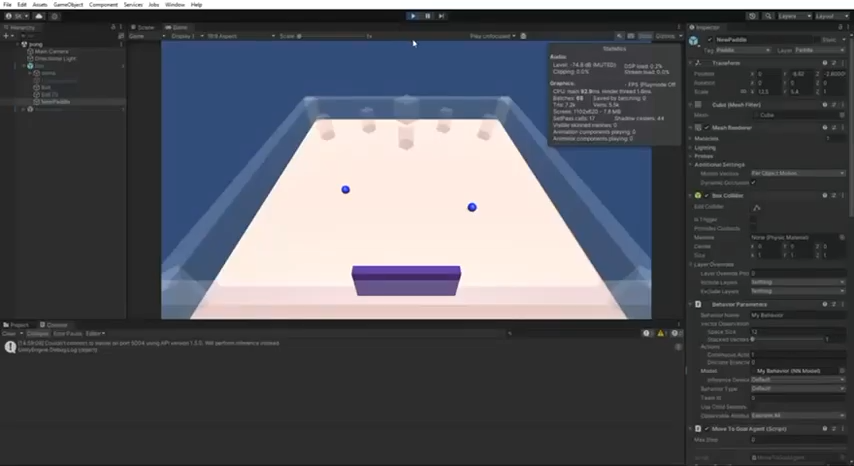
• Experimented with Unity ML-Agents to train enemy AI behaviors and gameplay decision-making systems
• Explored machine learning approaches for adaptive gameplay scenarios, but training times became impractical due to hardware and processing limitations
• Pivoted from ML-driven systems to a handcrafted AI architecture focused on responsiveness and believable player behavior
• Revisited trigonometry-based calculations to accurately predict ball trajectories, enemy movement, and reaction timing
• Built the final AI system using:
• Finite State Machines (FSM)
• Trajectory Prediction
• Trigonometry-Based Ball Calculations
• Designed AI behaviors to feel more natural and human rather than overly scripted or robotic
• The final implementation was convincing enough that some players believed they were competing against real online players instead of AI opponents

Level Design & Environment Work:
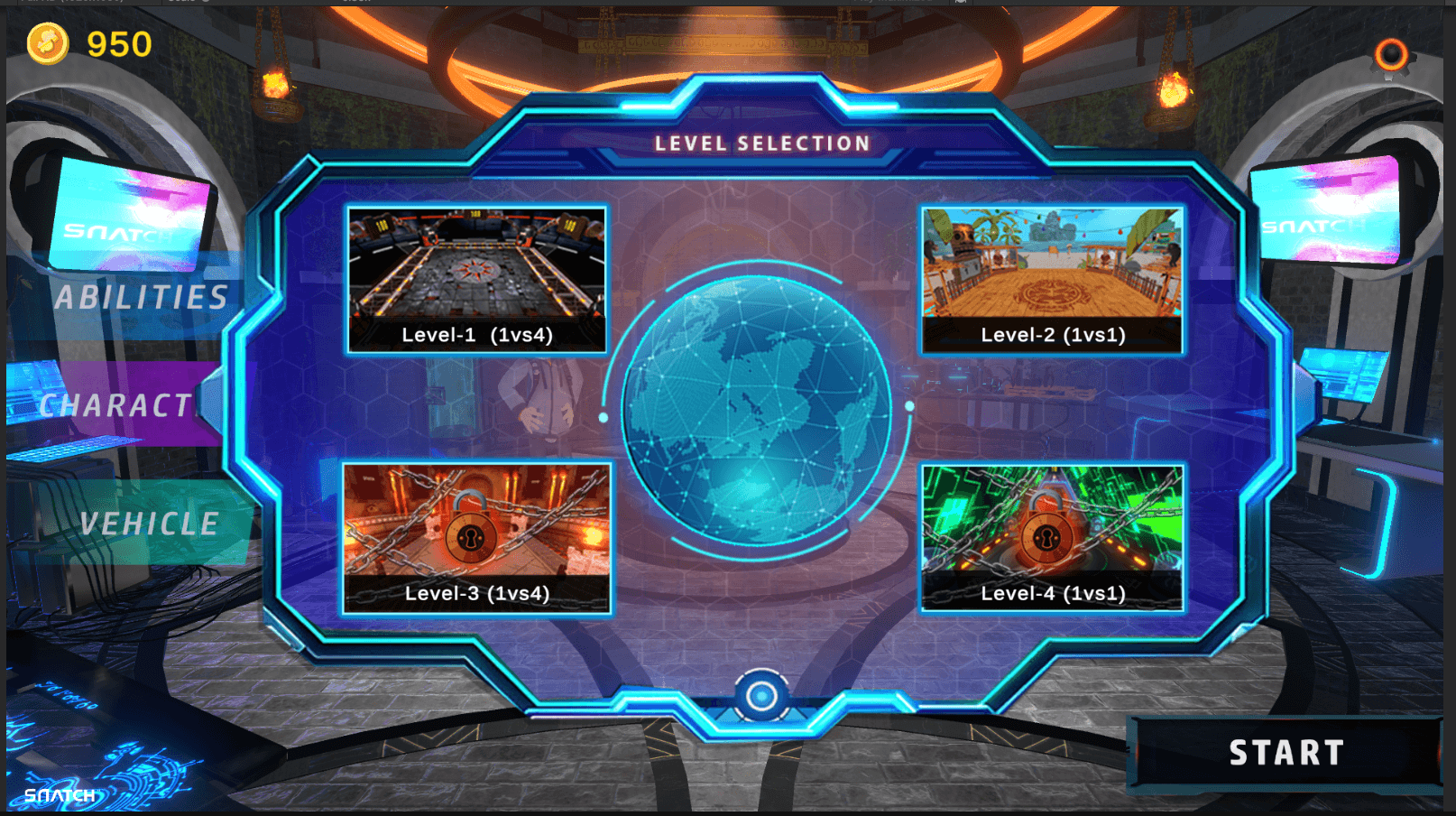
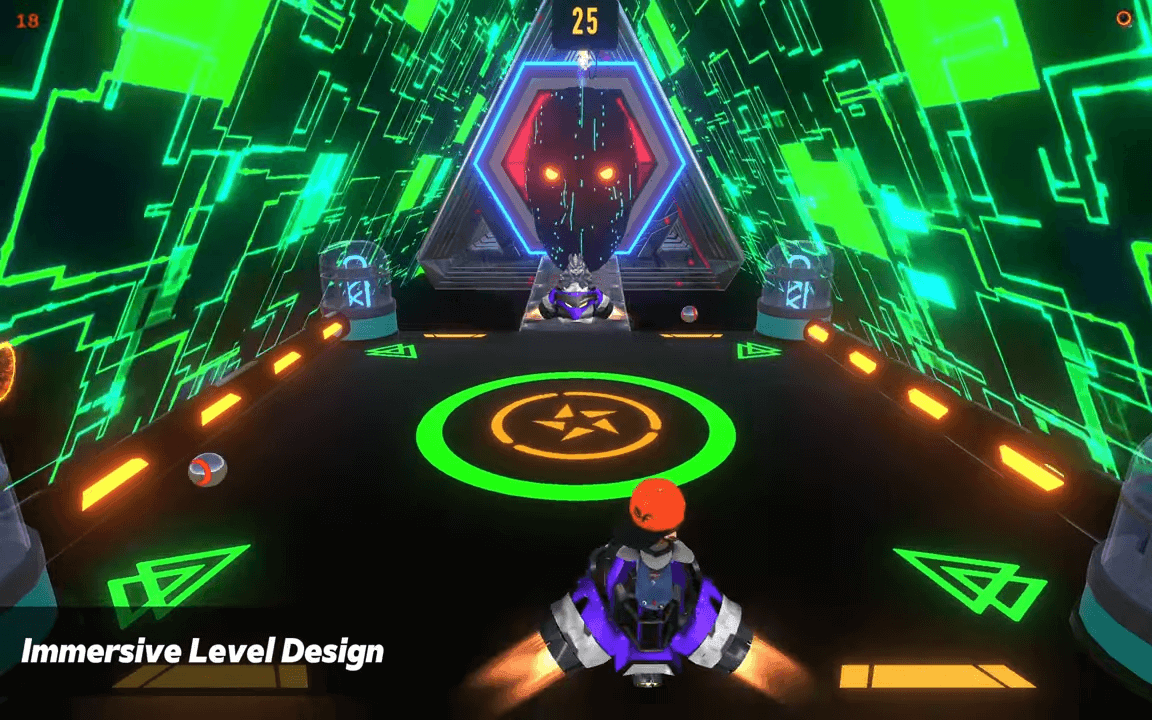
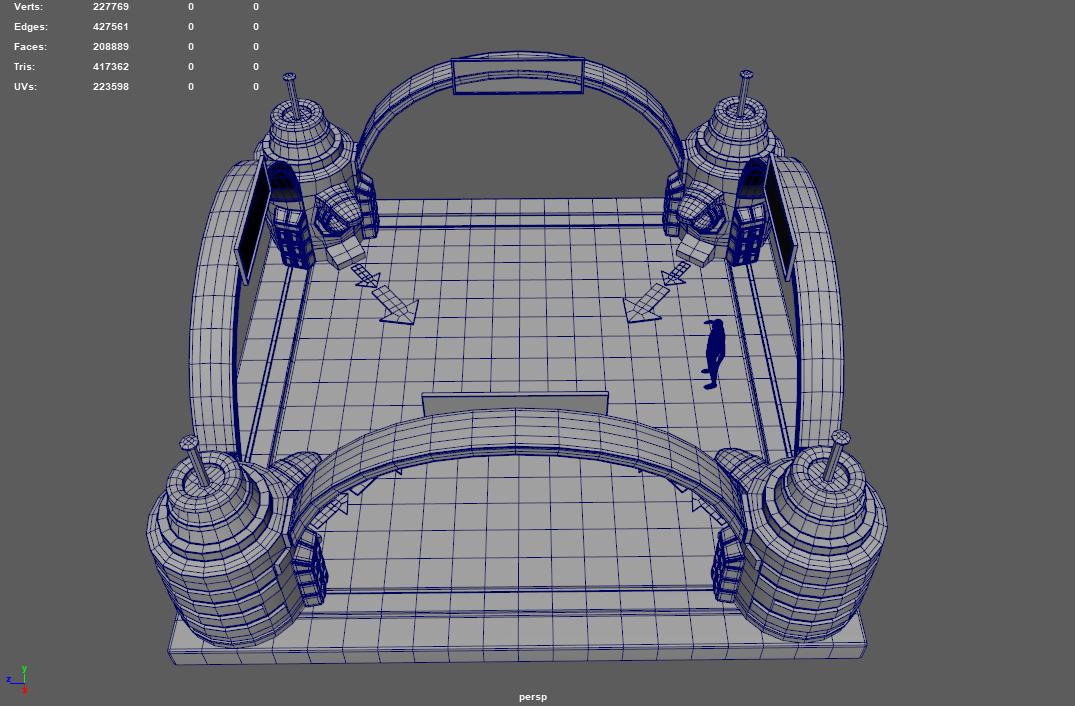
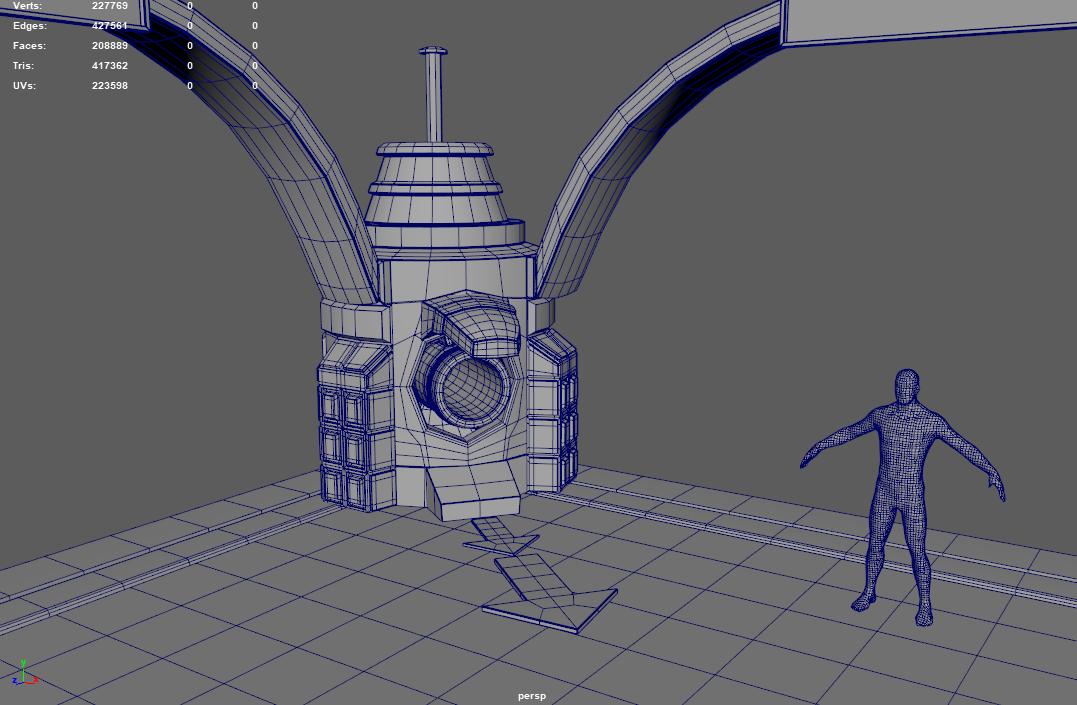
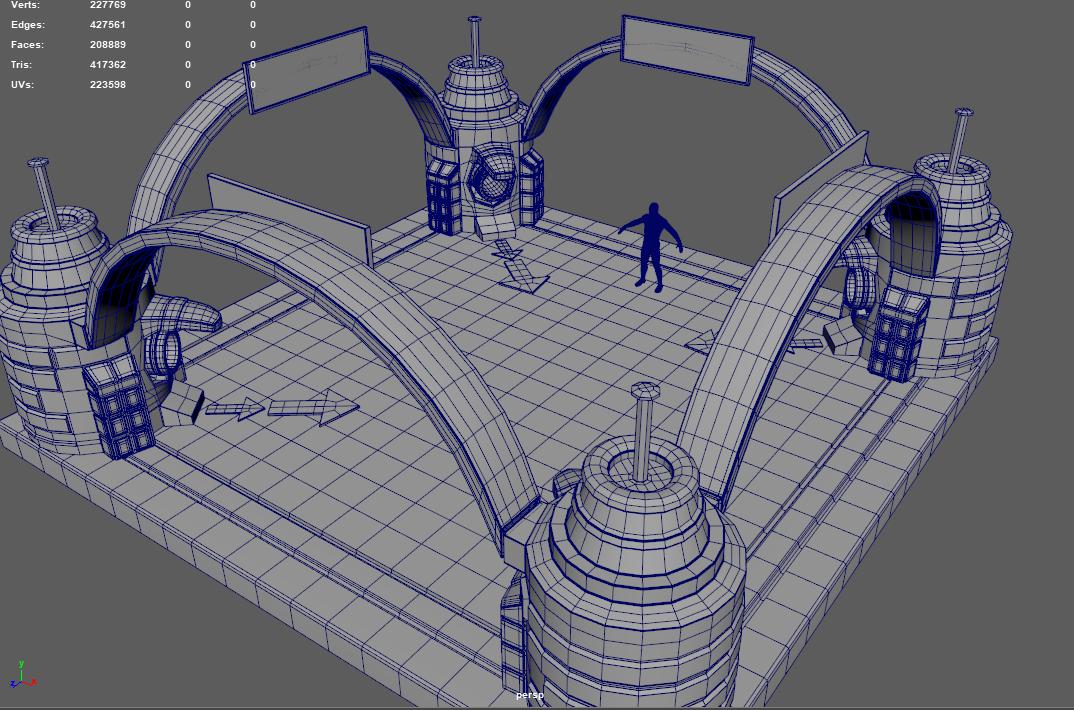
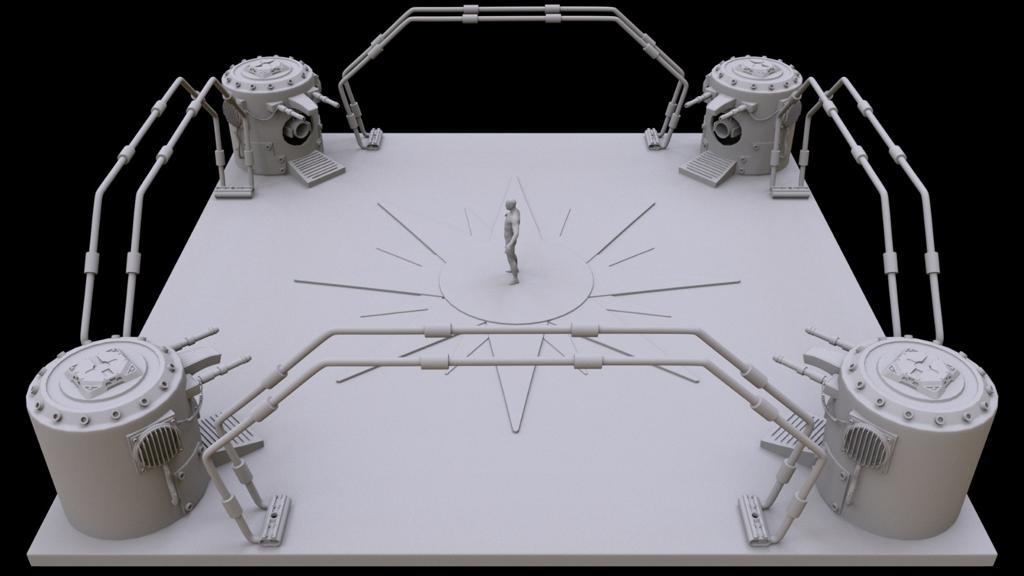
• Designed all gameplay levels from concept to final implementation
• Focused on readability, pacing, and maintaining clear combat flow despite high on-screen intensity
• Ensured levels supported fast-paced gameplay while keeping player actions and objectives visually clear
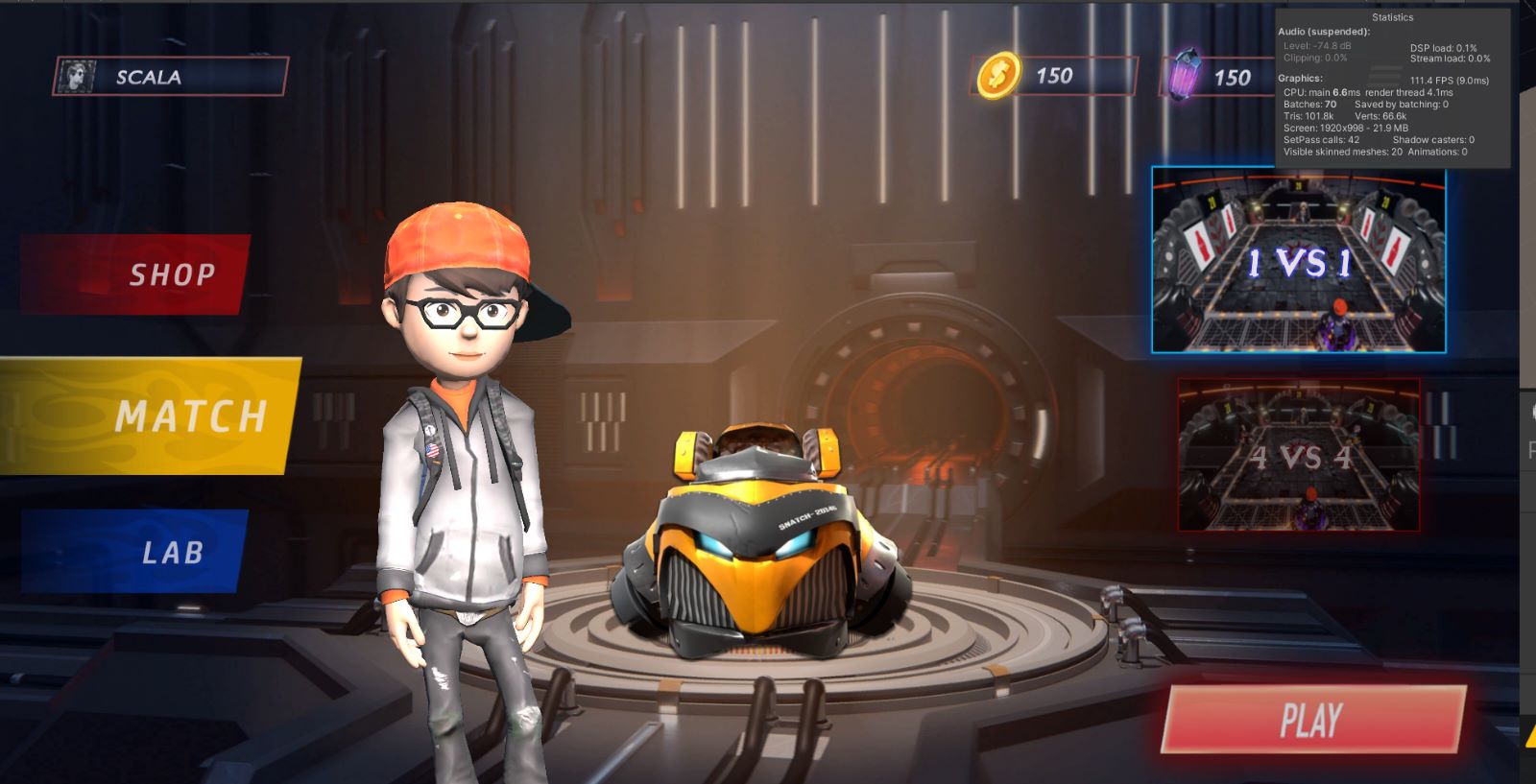
Asset Integration & Visual Polishing:
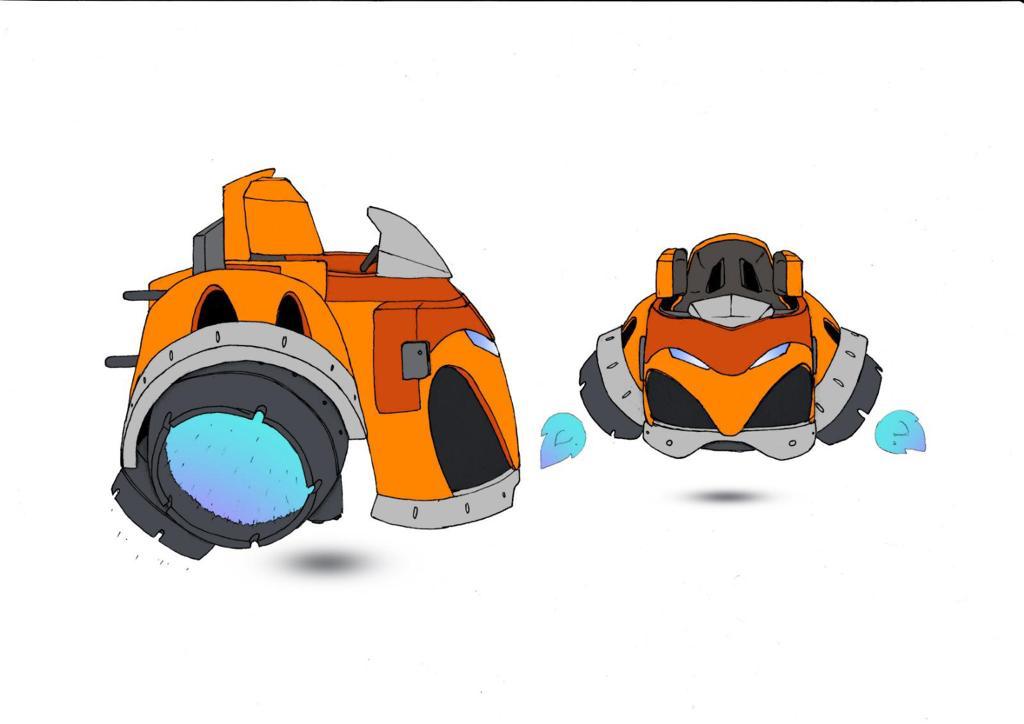
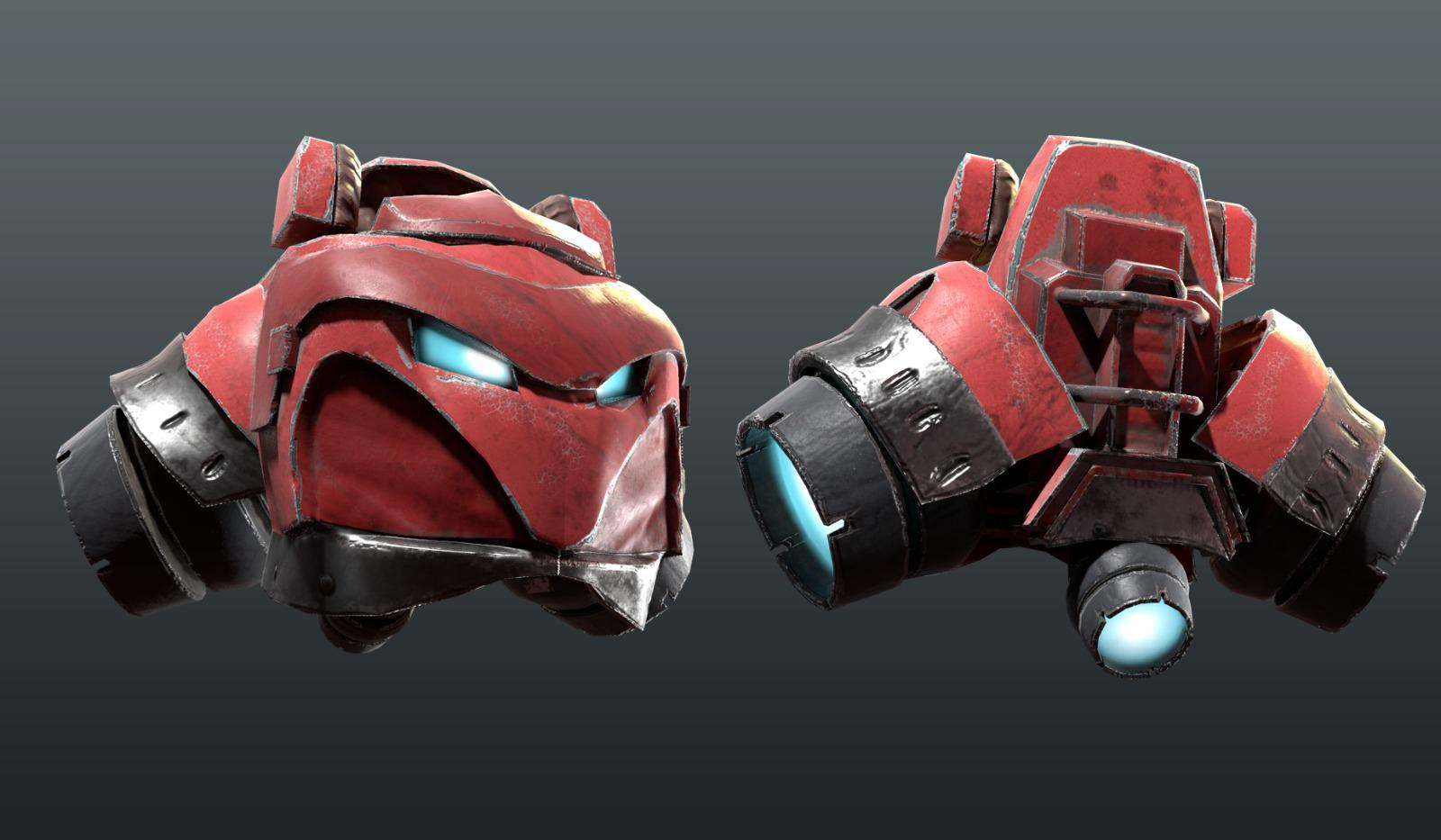
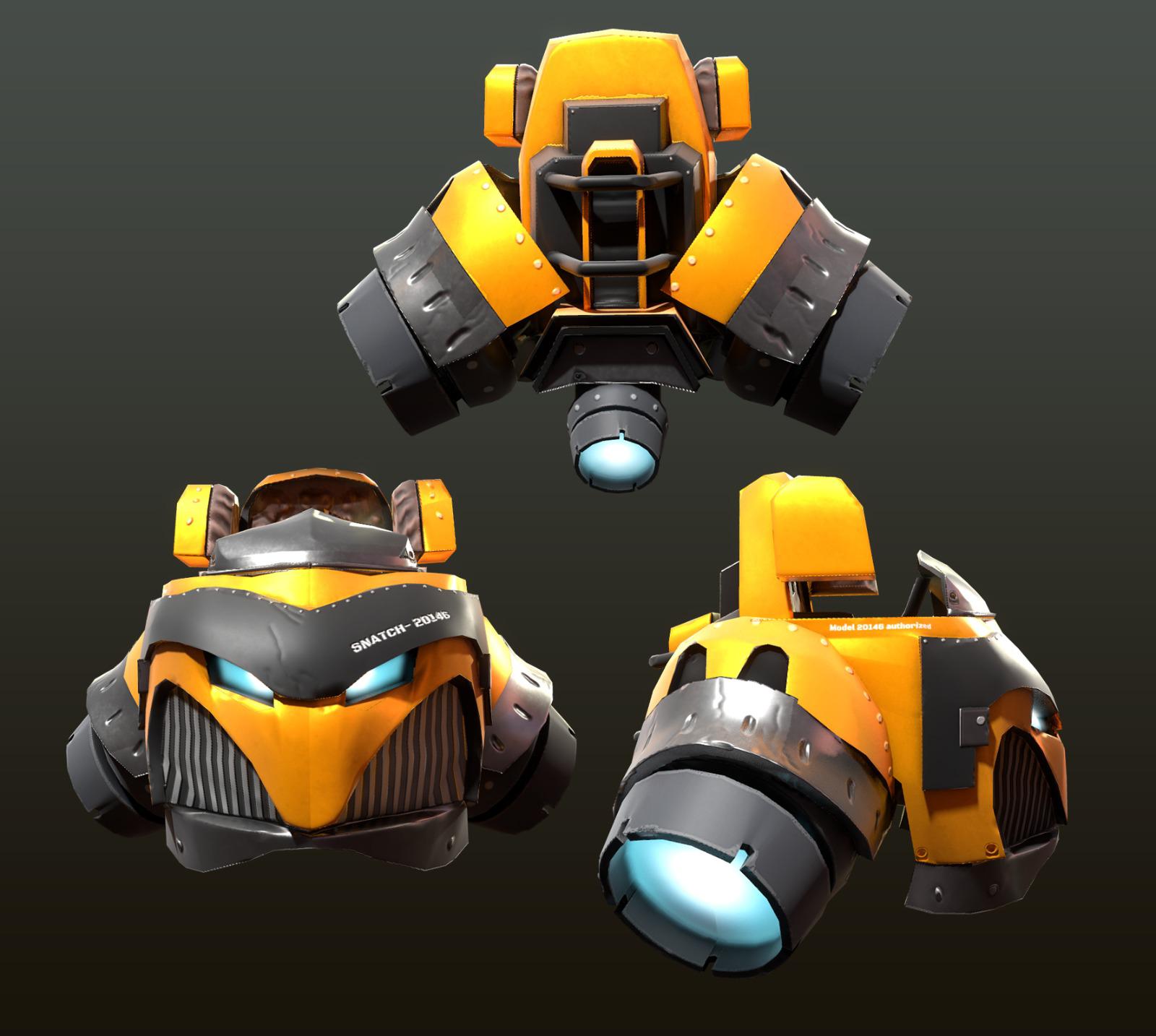
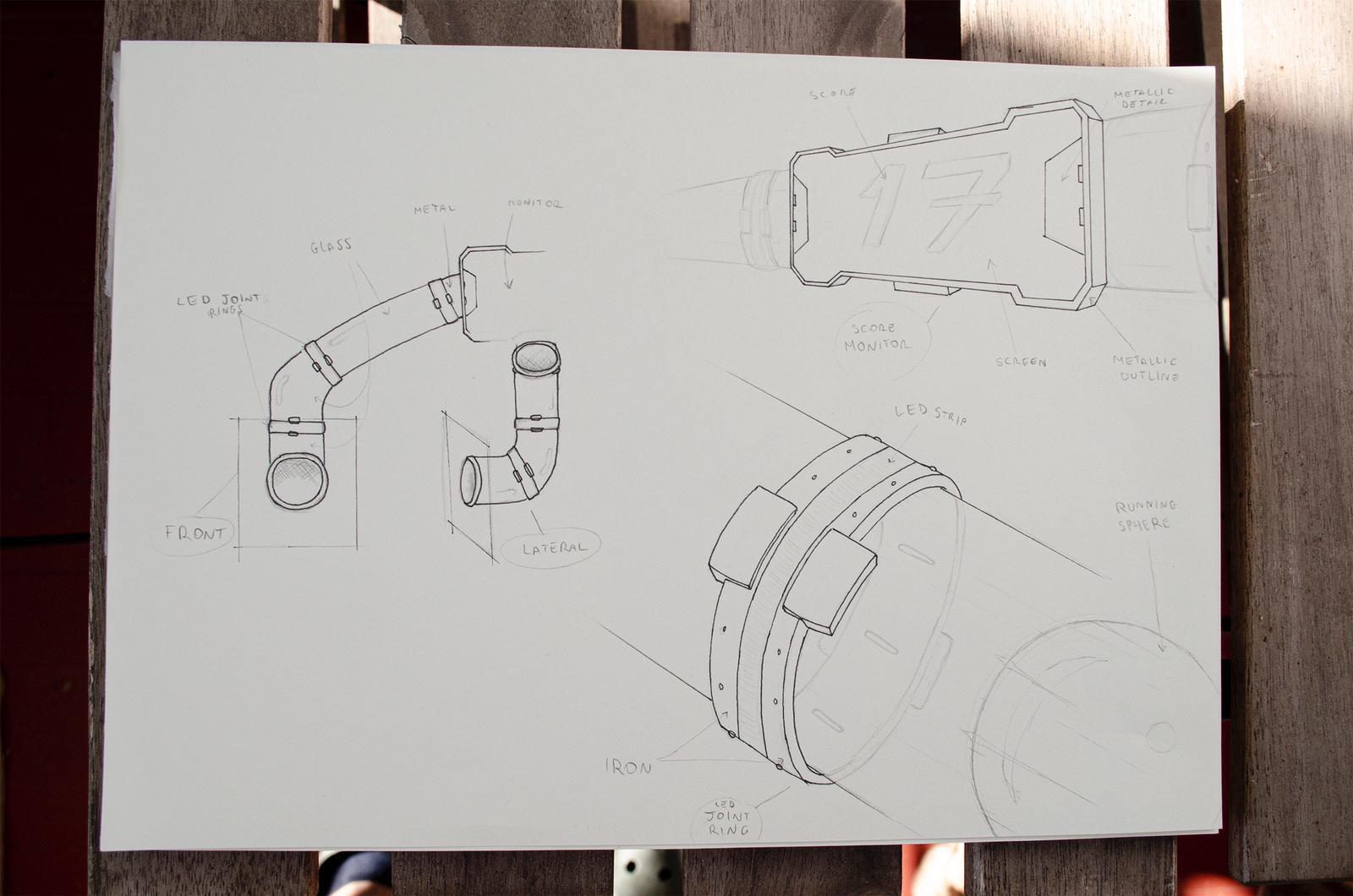
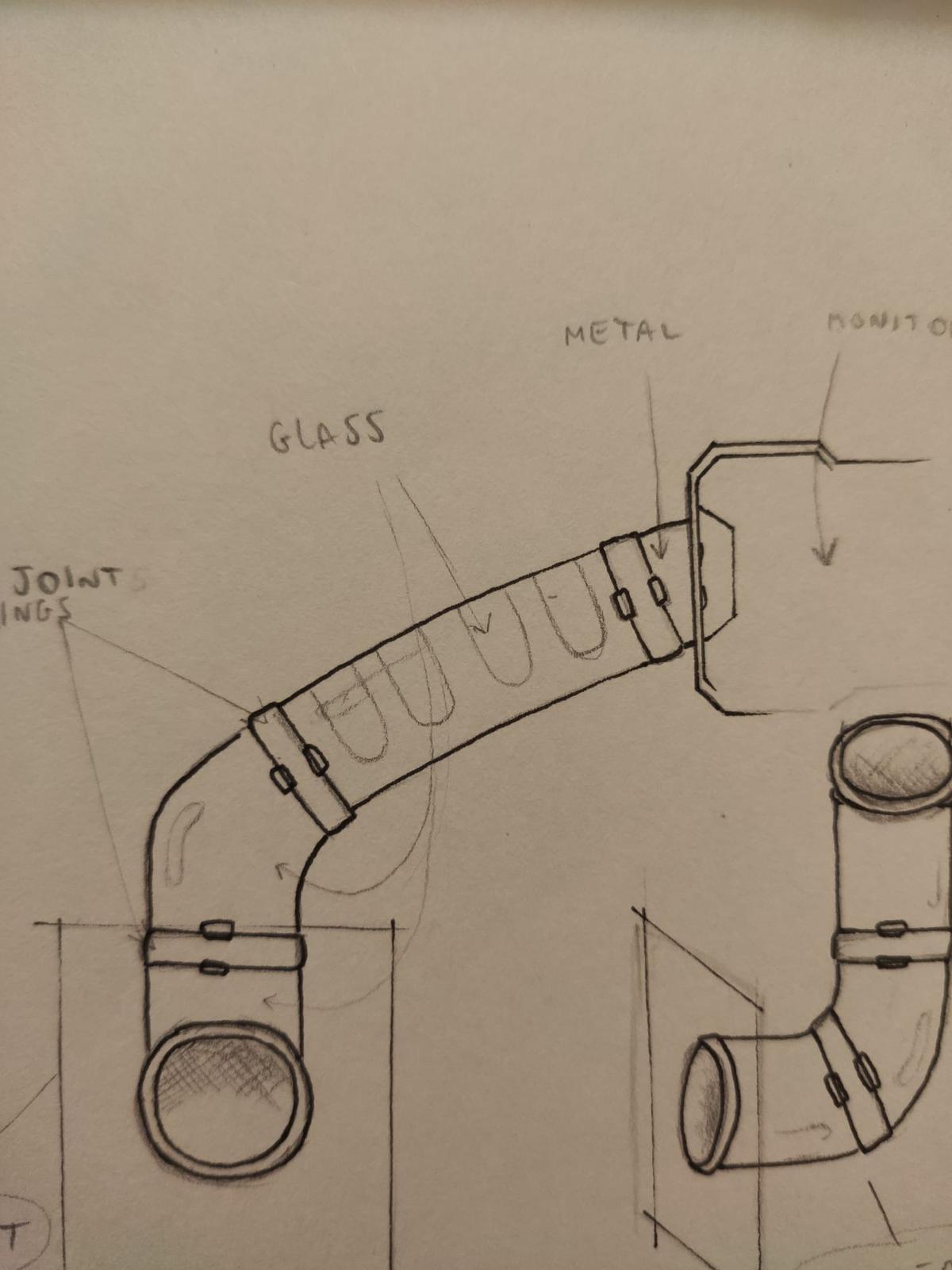
• Performed asset bashing and modifications to support gameplay needs and visual clarity
• Used Blender for 3D asset adjustments and modifications
• Used Adobe Photoshop for texture editing and visual tweaks
• Adjusted assets and visuals to improve gameplay readability and maintain a consistent overall art style
Marketing & Publishing
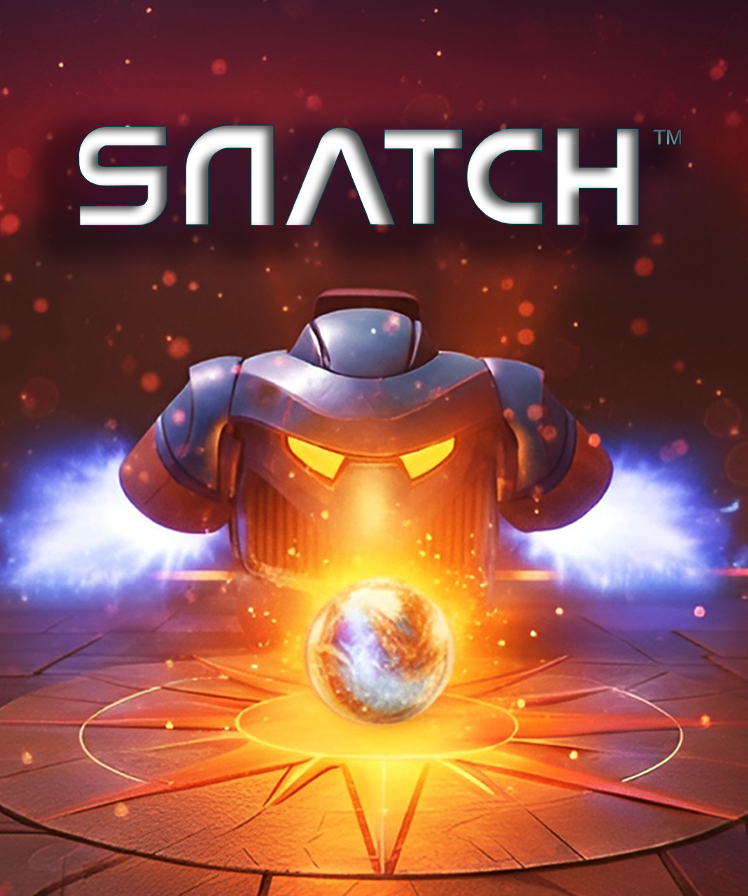
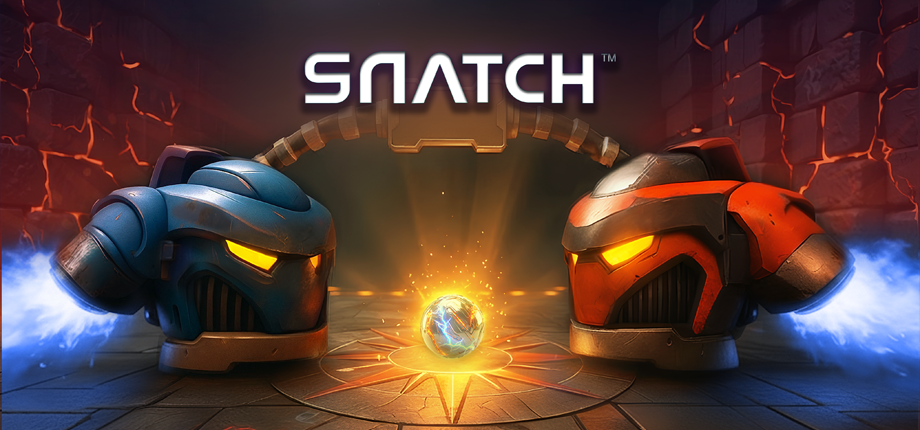
- Set up Steam page
- Created capsule images and store assets
- Designed promotional visuals and branding direction
- Setup Presskit and reached out to content creators

Key REsults
Key Outcomes & Impact:
• Built scalable gameplay systems designed for rapid iteration and extensibility
• Developed believable AI opponents using handcrafted trajectory prediction systems
• Gained extensive hands-on experience in multiplayer networking through large-scale R&D and prototyping
• Successfully led a small team through full production and Steam release
• Improved overall performance through object pooling and system-level optimization techniques
Tech Stack
Technical Skills:
• Unity
• C#
• FSM Architecture
• Object Pooling
• Multiplayer Networking Research
• AI Trajectory Systems
• Unity ML-Agents
• Blender
• Adobe Photoshop